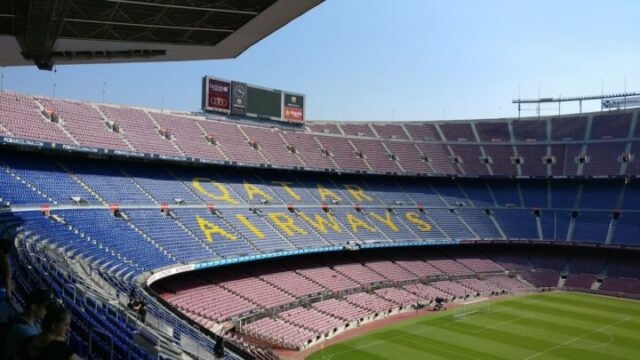
As the sun sets over the Camp Nou, the iconic home of FC Barcelona, the air is electric with the whispers of a century-long legacy. The Blaugrana, as they’re affectionately known, have woven a rich tapestry of football history, replete with triumphs, tragedies, and a steadfast commitment to the beautiful game. With a staggering 26 international trophies and 74 domestic honors, FC Barcelona is an institution that has captivated the hearts of millions worldwide. In this comprehensive exploration, we’ll delve into the fascinating world of FC Barcelona, tracing the club’s evolution, its most memorable moments, and the secrets behind its enduring success.
The Early Years: Humble Beginnings and a Visionary Spirit
FC Barcelona’s journey began in 1899, when a group of Swiss, British, and Spanish football enthusiasts converged to form the club. The early years were marked by struggle and perseverance, with the team competing in regional tournaments and gradually building a loyal following. The appointment of Joan Gamper, a Swiss footballer and entrepreneur, as the club’s president in 1908, proved to be a turning point. Gamper’s visionary leadership and unwavering dedication to the club’s growth laid the foundation for FC Barcelona’s future success. Under his stewardship, the club began to attract top talent, and the team’s performances on the pitch started to reflect the president’s unrelenting passion.
The 1920s saw FC Barcelona’s first major successes, with the team claiming several regional championships and the Copa del Rey. This period also witnessed the emergence of the club’s first footballing legend, Paulino Alcántara, a Filipino-Spanish forward who would go on to become the team’s all-time leading scorer. As the decades passed, FC Barcelona continued to evolve, with the club’s commitment to developing young talent and promoting a distinctive, attacking style of play becoming hallmarks of the Blaugrana identity.
The Golden Era: Cruyff, Guardiola, and the Tiki-Taka Revolution
The 1970s and 1980s saw FC Barcelona experience a renaissance, with the arrival of Johan Cruyff, a Dutch footballing icon, as player and later coach. Cruyff’s influence on the club was profound, as he introduced a revolutionary style of play that emphasized possession, creativity, and attacking flair. This approach, dubbed “Tiki-Taka,” would become synonymous with FC Barcelona’s footballing philosophy and inspire a generation of players, including the likes of Pep Guardiola, Xavi Hernández, and Andres Iniesta.
Under Guardiola’s management, FC Barcelona achieved unprecedented success, winning 14 trophies in four years, including two Champions League titles. The team’s mesmerizing performances, characterized by intricate passing, pressing, and fluid movement, captivated audiences worldwide and redefined the boundaries of the beautiful game. The 2009 treble, which included La Liga, the Copa del Rey, and the Champions League, marked the pinnacle of this golden era, as FC Barcelona cemented its status as one of the world’s premier football clubs.
The Modern Era: Challenges, Controversies, and the Pursuit of Excellence
In recent years, FC Barcelona has faced numerous challenges, including the departure of key players, coaching changes, and the complexities of modern football’s financial landscape. The club’s struggles to replicate the success of the Guardiola era have been well-documented, with the team experiencing a period of transition and rebuilding. Despite these challenges, FC Barcelona remains committed to its core values, with a focus on developing young talent through the renowned La Masia academy and promoting an attacking, possession-based style of play.
The appointment of Ronald Koeman as manager in 2020 marked a new chapter in the club’s history, with the Dutch coach tasked with restoring FC Barcelona to its former glory. The team’s performances have been inconsistent, but the emergence of young players like Ansu Fati, Pedri, and Ronald Araújo offers hope for the future. As the club navigates the complexities of modern football, it remains steadfast in its pursuit of excellence, driven by the passion and dedication of its fans, players, and staff.
The Global Phenomenon: FC Barcelona’s Enduring Appeal
So, what lies behind FC Barcelona’s enduring appeal? The answer lies in the club’s unique blend of footballing tradition, cultural heritage, and commitment to social responsibility. The Blaugrana’s distinctive style of play, which emphasizes creativity, flair, and attacking intent, has captivated audiences worldwide, inspiring a generation of football fans and players. The club’s iconic crest, featuring the Cross of Saint George and the Senyera, has become a symbol of Catalan identity and pride, transcending borders and languages.
FC Barcelona’s social responsibility initiatives, including the club’s foundation and charitable partnerships, have made a tangible impact on communities worldwide, promoting education, health, and social inclusion. The club’s commitment to developing young talent through La Masia has produced some of the world’s most talented players, while its academy has become a model for clubs globally. As the beautiful game continues to evolve, FC Barcelona remains at the forefront, driven by its passion for football, its commitment to excellence, and its unwavering dedication to the values that have defined the club for over a century.
In conclusion, FC Barcelona’s legacy is a testament to the power of football to inspire, to unite, and to transcend. As the club continues to navigate the challenges of modern football, its commitment to its core values remains unwavering. Whether you’re a lifelong fan or simply a lover of the beautiful game, the Blaugrana’s story is one that will captivate, inspire, and leave you eager for more. As the sun sets over the Camp Nou, the whispers of a century-long legacy will continue to echo, a reminder of the magic, the passion, and the enduring mystique of FC Barcelona. Key takeaways from this comprehensive exploration include:
- FC Barcelona’s rich history and legacy are rooted in its commitment to footballing tradition, cultural heritage, and social responsibility.
- The club’s distinctive style of play, emphasizing creativity, flair, and attacking intent, has captivated audiences worldwide.
- The Blaugrana’s commitment to developing young talent through La Masia has produced some of the world’s most talented players and become a model for clubs globally.
- FC Barcelona’s social responsibility initiatives have made a tangible impact on communities worldwide, promoting education, health, and social inclusion.
- The club’s enduring appeal lies in its unique blend of footballing tradition, cultural heritage, and commitment to excellence, inspiring a generation of football fans and players.