As the beautiful game continues to captivate audiences worldwide, one club stands out among the rest – FC Barcelona. With a legacy spanning over a century, this iconic Spanish football club has become synonymous with excellence, passion, and a unique brand of football that has mesmerized fans globally. In this comprehensive blog post, we’ll delve into the fascinating world of FC Barcelona, exploring its rich history, unprecedented success, and the cultural significance that has cemented its position as one of the most beloved and successful football clubs in the world.
A Brief History of FC Barcelona
FC Barcelona, also known as Barça, was founded in 1899 by a group of Swiss, British, and Spanish footballers. The club’s early years were marked by struggles and instability, but it wasn’t long before Barça began to make its mark on Spanish football. The 1920s saw the club’s first major success, with the appointment of legendary coach Jack Greenwell, who led the team to its first Spanish championship in 1929. This triumph marked the beginning of a glorious era for FC Barcelona, as the club went on to win numerous domestic and international titles, including the coveted La Liga and the European Cup. Today, FC Barcelona is one of the most valuable and successful sports teams in the world, with a brand worth over $4.5 billion.
The club’s commitment to developing young talent through its renowned La Masia academy has been instrumental in its success. La Masia, which translates to “the farmhouse” in Catalan, has produced some of the greatest players in football history, including Lionel Messi, Xavi Hernandez, and Andres Iniesta. This focus on youth development has enabled FC Barcelona to maintain a consistent level of excellence, even in the face of intense competition from other top European clubs. As we’ll explore later, the club’s unique playing style, known as “tiki-taka,” has also played a significant role in its success, with an emphasis on possession-based football, creativity, and technical skill.
The Era of Success: FC Barcelona’s Golden Years
The 2008-2012 period is often referred to as the “Golden Era” of FC Barcelona. During this time, the club won an unprecedented 14 trophies, including two European Cups, three La Liga titles, and two Copa del Rey trophies. This success was largely due to the visionary leadership of coach Pep Guardiola, who implemented a unique playing style that emphasized possession, pressing, and creativity. The team’s success during this period was also driven by the incredible talent of players like Lionel Messi, Xavi Hernandez, and Andres Iniesta, who formed the backbone of the team.
The “tiki-taka” style of play, which involves maintaining possession of the ball through short, intricate passes, has become synonymous with FC Barcelona. This approach to the game has been widely adopted by other clubs and national teams, and has had a profound impact on the development of modern football. The success of FC Barcelona during this period also had a significant impact on the club’s global brand, with the team’s popularity soaring to new heights. Today, FC Barcelona has a massive following of over 300 million fans worldwide, making it one of the most popular sports teams in the world.
Cultural Significance: FC Barcelona’s Impact on Society
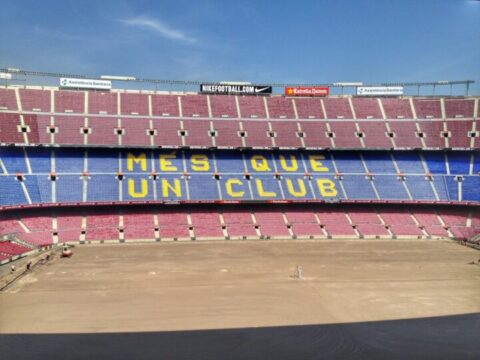
FC Barcelona is more than just a football club – it’s a cultural institution that has played a significant role in shaping the identity of Catalonia and Spain. The club’s motto, “Més que un club” (More than a club), reflects its commitment to promoting Catalan culture, language, and values. FC Barcelona has also been at the forefront of social and political issues, with the club’s players and management often speaking out on topics like racism, inequality, and social justice.
The club’s iconic stadium, the Camp Nou, is a symbol of Catalan pride and a source of inspiration for fans around the world. With a seating capacity of over 99,000, the Camp Nou is one of the largest stadiums in the world, and has hosted some of the most memorable matches in football history. FC Barcelona’s commitment to social responsibility has also led to the establishment of the FC Barcelona Foundation, which supports a range of charitable initiatives and community programs. Through its foundation, the club has made a positive impact on the lives of millions of people around the world, promoting education, health, and social inclusion.
The Future of FC Barcelona: Challenges and Opportunities
As FC Barcelona looks to the future, the club faces a number of challenges and opportunities. The increasing competition from other top European clubs, combined with the financial demands of modern football, means that the club must continue to innovate and adapt to stay ahead of the curve. The club’s commitment to developing young talent through La Masia will be crucial in this regard, as will its ability to attract and retain top players from around the world.
The rise of new technologies, such as social media and esports, also presents opportunities for FC Barcelona to engage with fans and expand its global reach. The club’s social media presence is already one of the largest in the world, with over 200 million followers across platforms like Instagram, Twitter, and Facebook. By leveraging these channels, FC Barcelona can build stronger relationships with its fans, promote its brand, and create new revenue streams. As the football landscape continues to evolve, one thing is certain – FC Barcelona will remain a major force in the world of football, driven by its passion, creativity, and commitment to excellence.
Conclusion: The Enduring Legacy of FC Barcelona
In conclusion, FC Barcelona is a football club like no other, with a rich history, unprecedented success, and a cultural significance that extends far beyond the pitch. From its humble beginnings to its current status as one of the world’s most successful and beloved sports teams, FC Barcelona has always been driven by a passion for excellence and a commitment to its values. As we look to the future, it’s clear that FC Barcelona will continue to play a major role in shaping the world of football, inspiring fans, and promoting social responsibility.
Key takeaways from this blog post include:
- FC Barcelona’s rich history and cultural significance make it one of the most unique and beloved football clubs in the world.
- The club’s commitment to developing young talent through La Masia has been instrumental in its success.
- The “tiki-taka” style of play, which emphasizes possession and creativity, has had a profound impact on modern football.
- FC Barcelona’s global brand and social media presence make it one of the most popular and influential sports teams in the world.
- The club’s commitment to social responsibility and charitable initiatives has made a positive impact on the lives of millions of people around the world.
Whether you’re a die-hard fan or just a casual observer, FC Barcelona is a team that inspires passion, creativity, and excellence. As the beautiful game continues to evolve, one thing is certain – FC Barcelona will remain a major force in the world of football, driven by its values, its people, and its enduring legacy.