As the sun sets over the vibrant city of Barcelona, the streets come alive with the sound of chanting fans, all united by their passion for one of the world’s most beloved football clubs: FC Barcelona. With a legacy spanning over a century, Barça, as it’s affectionately known, has become an integral part of Catalan culture and identity. From its humble beginnings to its current status as a global football powerhouse, FC Barcelona’s story is one of triumph, adversity, and an unwavering commitment to the beautiful game. In this comprehensive guide, we’ll delve into the club’s fascinating history, explore its unique culture, and examine the factors that have contributed to its enduring success.
A Brief History of FC Barcelona
Founded in 1899 by a group of Swiss, British, and Spanish football enthusiasts, FC Barcelona was initially known as Foot-Ball Club Barcelona. The club’s early years were marked by modest success, with its first major trophy coming in 1910 in the form of the Copa del Rey. However, it wasn’t until the 1920s, under the presidency of Joan Gamper, that Barça began to establish itself as a force to be reckoned with in Spanish football. Gamper’s vision and leadership played a pivotal role in shaping the club’s identity and values, which would later become the foundation of its success. The 1950s and 1960s saw the emergence of legendary players like Ladislao Kubala and Luis Suárez, who helped cement FC Barcelona’s status as a dominant force in Spanish and European football.
The 1970s and 1980s were marked by significant changes, including the appointment of Dutch football legend Johan Cruyff as the club’s manager. Cruyff’s influence on FC Barcelona’s playing style and philosophy cannot be overstated, as he introduced the concept of “tiki-taka” – a possession-based approach that emphasized short passing, movement, and creativity. This approach has since become synonymous with the club’s style of play and has inspired generations of footballers. The 1990s and 2000s saw the rise of iconic players like Ronaldinho, Samuel Eto’o, and Lionel Messi, who have all contributed to the club’s impressive trophy haul.
The Culture of FC Barcelona
FC Barcelona’s culture is built around the concept of “Més que un club” (More than a club), which reflects the organization’s commitment to its members, fans, and the local community. The club’s values of respect, effort, ambition, and humility are deeply ingrained in every aspect of its operations, from the first team to the youth academy. Barça’s famous La Masia youth academy, established in 1979, has been instrumental in developing some of the world’s most talented footballers, including Messi, Xavi, and Andrés Iniesta. The academy’s emphasis on technical skill, tactical awareness, and physical conditioning has created a production line of skilled players who embody the club’s philosophy.
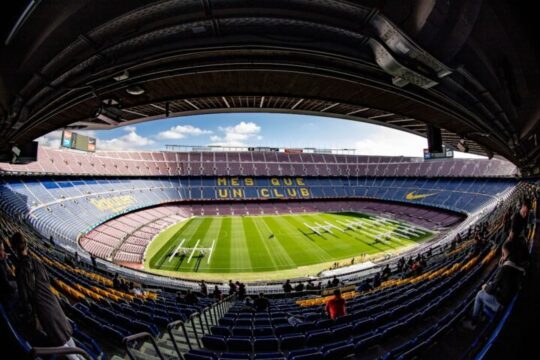
The club’s cultural significance extends beyond the football pitch, with FC Barcelona playing a vital role in promoting Catalan identity and language. The club’s motto, “Sempre fiels” (Always faithful), reflects the loyalty and dedication of its fans, who have consistently supported the team through thick and thin. The electric atmosphere at the Camp Nou, FC Barcelona’s iconic home stadium, is a testament to the passion and energy of the club’s supporters. With a seating capacity of over 99,000, the Camp Nou is one of the largest and most intimidating stadiums in the world, providing a unique and unforgettable experience for players and fans alike.
FC Barcelona’s Success on the Pitch
FC Barcelona’s success on the pitch is a result of a combination of factors, including its commitment to developing young players, its attractive style of play, and its ability to attract and retain top talent. The club’s emphasis on possession-based football, inherited from Johan Cruyff’s era, has allowed it to dominate games and create scoring opportunities. The team’s flexibility and adaptability have also been key factors in its success, with players like Messi, Luis Suárez, and Philippe Coutinho capable of playing in multiple positions and formations.
The club’s dedication to innovation and improvement is reflected in its state-of-the-art training facilities and sports science department. FC Barcelona’s coaching staff, led by former players like Ronald Koeman and Xavi, have played a crucial role in shaping the team’s tactics and strategy. The club’s success in European competitions, including its five Champions League titles, is a testament to its ability to compete with the best teams on the continent. With a strong squad, a talented coaching staff, and a loyal fan base, FC Barcelona is well-positioned to continue its dominance in Spanish and European football.
The Business Side of FC Barcelona
As one of the world’s most valuable sports teams, FC Barcelona’s business operations are a critical component of its success. The club’s revenue streams include broadcasting rights, sponsorships, merchandise sales, and matchday tickets. Barça’s partnership with Nike, which began in 1998, has been instrumental in promoting the club’s brand and generating significant revenue. The club’s deal with Rakuten, a Japanese e-commerce company, has also provided a significant boost to its commercial income.
FC Barcelona’s commitment to social responsibility and community engagement is reflected in its various charitable initiatives and partnerships. The club’s foundation, which was established in 1994, focuses on promoting education, health, and social inclusion, with a particular emphasis on supporting vulnerable children and young people. The club’s dedication to giving back to the community has earned it numerous awards and recognition, including the UEFA Club Football Award for Best Club in the World.
Conclusion and Key Takeaways
FC Barcelona’s story is one of passion, dedication, and an unwavering commitment to the beautiful game. From its humble beginnings to its current status as a global football powerhouse, the club’s history, culture, and success are a testament to the power of teamwork, innovation, and community engagement. As we conclude this comprehensive guide to FC Barcelona, here are the key takeaways:
- FC Barcelona’s rich history and cultural significance are deeply intertwined with the city of Barcelona and the Catalan region.
- The club’s commitment to developing young players, its attractive style of play, and its ability to attract and retain top talent have been key factors in its success.
- The club’s business operations, including its revenue streams and partnerships, are critical to its continued success and growth.
- FC Barcelona’s dedication to social responsibility and community engagement reflects its values of respect, effort, ambition, and humility.
- The club’s loyal fan base, known for its passion and energy, is an integral part of its identity and culture.
Whether you’re a die-hard fan or just a casual observer, FC Barcelona’s story is sure to inspire and captivate. As the club continues to evolve and grow, one thing is certain – its commitment to the beautiful game and its values of excellence, innovation, and community will remain at the heart of everything it does.